


Roulette remains one of the most iconic casino games because it combines simple gameplay with a deep mathematical structure. However, many players misunderstand how inside bets actually perform over extended sessions. The Roulette Probability Edge comes from understanding the true statistical distribution behind corner, street, and line bets instead of relying on short-term streaks or gambling myths.
Players exploring roulette tables at https://www.jokacasino.live often focus on fast spins, live dealer interaction, and large payout potential. Nevertheless, experienced roulette players know that long-term outcomes depend heavily on probability distribution and variance management.
Inside bets create higher payout opportunities than outside wagers. However, they also introduce greater volatility. Consequently, understanding how those bets perform over realistic testing windows becomes extremely important for bankroll planning.
This Joka Casino Review: Casino Games guide explains the true statistical behaviour of inside roulette combinations, how distribution pathways develop across 150 spins, and why understanding probability matters more than chasing patterns.
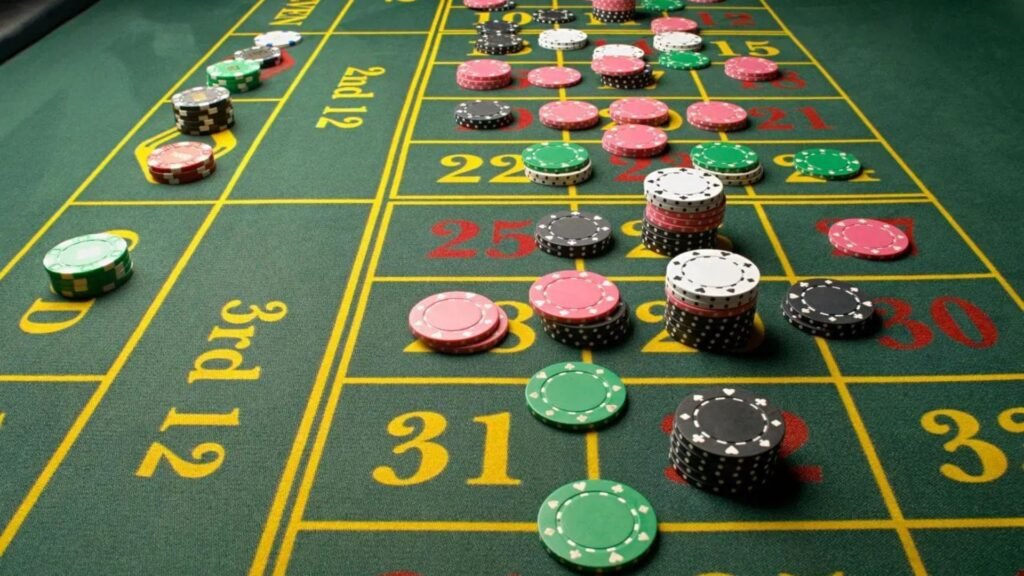
Understanding the Roulette Probability Edge
The Roulette Probability Edge refers to understanding the real mathematical frequency of inside bet outcomes over extended gameplay sessions.
Unlike gambling myths, roulette outcomes follow a probability distribution rather than emotional patterns.
Inside bets include:
- Straight bets
- Split bets
- Street bets
- Corner bets
- Line bets
Each wager covers a different number of numbers on the wheel. Therefore, each carries its own probability profile and payout structure.
Why Probability Matters More Than Streaks
Many players chase “hot numbers” or believe certain patterns repeat predictably.
However, roulette spins remain independent events.
Therefore:
- Previous outcomes do not affect future spins
- Short-term streaks happen naturally
- Variance creates temporary imbalance
- Probability stabilises over larger samples
The Roulette Probability Edge comes from understanding those realities instead of reacting emotionally.
How Corner Bets Perform Over 150 Spins
Corner bets cover four numbers simultaneously.
On a European wheel, that creates a winning probability of:
437\frac{4}{37}
This equals approximately 10.81%.
Expected Distribution Across 150 Spins
Over a 150-spin testing window, a standard corner bet should theoretically hit around:
150×437≈16.2150\times\frac{4}{37}\approx16.2
This means players might expect roughly 16 winning corner outcomes on average.
However, variance still matters significantly.
Some sessions may produce:
- 10 hits
- 14 hits
- 20 hits
- Larger deviations
Consequently, short-term results rarely match perfect theoretical expectations exactly.
Why Corner Bets Appeal to Players
Corner bets balance payout size with moderate hit frequency.
They provide:
- Better coverage than straight bets
- Higher payouts than outside bets
- Controlled volatility
- Flexible table positioning
Therefore, many experienced roulette players include them in structured betting systems.
Street Bet Probability Distribution
Street bets cover three consecutive numbers in a row.
This creates a different probability structure from corner bets.
Street Bet Mathematics
A street bet carries a winning probability of:
337\frac{3}{37}
That equals approximately 8.11%.
Across a 150-spin sample, expected winning frequency becomes:
150×337≈12.2150\times\frac{3}{37}\approx12.2
Therefore, players should expect roughly 12 successful outcomes statistically.
Variance Feels Stronger on Streets
Street bets produce higher variance because coverage decreases.
As a result:
- Losing streaks become longer
- Payout spikes feel larger
- Bankroll swings intensify
- Emotional pressure increases
Consequently, bankroll management becomes especially important when using aggressive inside betting structures.
Line Bets and Long-Term Distribution
Line bets cover six numbers across two adjacent rows.
This wider coverage changes variance behaviour noticeably.
Probability Structure of Line Bets
A line bet carries winning odds of:
637\frac{6}{37}
That equals roughly 16.22%.
Over 150 spins, expected hit frequency becomes:
150×637≈24.3150\times\frac{6}{37}\approx24.3
Therefore, players might statistically expect around 24 successful line hits during a standard session sample.
Why Line Bets Feel More Stable
Line bets reduce volatility because they cover more numbers.
Consequently, they often produce:
- More consistent hit frequency
- Smaller bankroll swings
- Lower emotional pressure
- Smoother session pacing
However, payouts decrease compared to narrower inside bets.
Why 150 Spins Matter in Roulette Analysis
Short roulette sessions rarely reflect true probability distribution accurately.
A 150-spin sample provides a more realistic variance picture.
Small Samples Create Illusions
Over 10 or 20 spins, extreme streaks appear frequently.
Players may incorrectly assume:
- A number is “due”
- A sector stays hot
- Certain combinations repeat predictably
In reality, those effects usually reflect normal short-term variance.
Larger Samples Reveal Probability Behaviour
At 150 spins:
- Variance still exists
- Probability trends stabilise more clearly
- Betting structures become easier to evaluate
- Emotional overreaction decreases
Therefore, experienced roulette players often analyse results across larger sample sizes rather than short streaks.
Roulette Probability Edge and Bankroll Management
Inside bets naturally create higher variance than outside bets.
Therefore, bankroll control becomes essential.
Recommended Betting Structure
Many experienced players use:
- Fixed betting units
- Conservative progression systems
- Session stop-loss limits
- Profit-lock targets
- Controlled inside coverage
These controls reduce emotional instability during difficult variance periods.
Why Unit Size Matters
Aggressive inside betting can drain bankrolls quickly during cold streaks.
Consequently, smaller betting units improve long-term survival.
For example:
| Bet Type | Suggested Unit Exposure |
|---|---|
| Corner Bets | 1% bankroll |
| Street Bets | 0.75% bankroll |
| Line Bets | 1.25% bankroll |
Balanced exposure helps smooth session volatility.
Joka Casino Live Roulette Experience
Modern roulette players expect more than table variety alone. Fast withdrawals, stable live streams, and responsive interfaces also influence overall gameplay quality.
Many experienced users exploring jokacasino casino games prioritise efficient gameplay systems alongside quality live roulette environments.
Fast withdrawal processing remains especially important for active roulette players managing multiple sessions daily.
Reliable stream quality also improves concentration and betting consistency during extended gameplay.
Common Mistakes Players Make With Inside Bets
Many roulette players misunderstand variance completely.
Chasing Losing Streaks
Players often increase bets emotionally after long losing runs.
However, probability does not guarantee immediate correction.
Consequently, emotional progression betting frequently increases losses.
Overestimating Short-Term Patterns
A few repeated numbers do not indicate predictive trends.
Roulette outcomes remain independent regardless of previous spins.
Ignoring Variance Structure
Inside bets naturally create stronger volatility than outside wagers.
Players who underestimate that variance often experience unnecessary bankroll pressure.
Why Experienced Players Analyse Distribution Pathways
Serious roulette players rarely rely purely on intuition.
Instead, they evaluate:
- Probability coverage
- Variance intensity
- Hit frequency
- Bankroll sustainability
- Session pacing
This analytical mindset creates stronger long-term discipline.
Structured Play Improves Emotional Control
Understanding expected probability behaviour helps players avoid emotional reactions during cold streaks.
That stability often improves overall session management.
The Future of Roulette Analytics in 2025 and 2026
Modern roulette continues evolving rapidly.
Current platforms now feature:
- Real-time statistics
- Live spin tracking
- Enhanced mobile interfaces
- AI-powered game analysis
- Faster live dealer gameplay
As roulette technology improves, analytical gameplay becomes increasingly popular among experienced players.
Smarter Players Focus on Mathematics
Experienced roulette players rarely chase myths or “systems.”
Instead, they focus on:
- Probability distribution
- Variance management
- Session discipline
- Risk exposure
- Long-term sustainability
That structured approach improves decision-making consistency significantly.
Final Thoughts
Roulette remains a game built on probability distribution rather than prediction. Inside bets like corner, street, and line wagers each create unique variance profiles across extended sessions.
The Roulette Probability Edge comes from understanding how those probabilities behave realistically over larger samples, such as 150-spin testing windows. Players who understand variance structure usually manage bankroll pressure more effectively than players chasing emotional patterns.
Importantly, no roulette strategy eliminates the house edge. Variance always remains central to gameplay outcomes. However, disciplined players who understand distribution pathways often make stronger long-term decisions during live roulette sessions.
Modern roulette rewards patience, probability awareness, and structured bankroll management. Players who understand those principles usually enjoy more sustainable and controlled gameplay experiences over time.
Author: Winfred