





Integrated marketing unites traditional and digital strategies to create a cohesive, impactful approach. By aligning messaging across channels, businesses can maximize reach, improve engagement, and deliver a consistent brand experience. Without integration, campaigns risk becoming fragmented, confusing audiences, and reducing ROI. Furthermore, combining offline and online tactics allows brands to leverage the strengths of each medium, ensuring marketing efforts are both efficient and effective.
Understand the Role of Traditional Marketing
Traditional marketing channels remain powerful tools for reaching certain audiences and building brand credibility. These channels often deliver high visibility and trust, particularly for local or older demographics.
Common Traditional Channels:
-
Print advertising, including newspapers, magazines, and brochures
-
Television and radio commercials
-
Direct mail campaigns
-
Outdoor advertising, such as billboards and posters
By understanding where these channels fit in your strategy, you can complement digital efforts and reinforce messaging consistently.
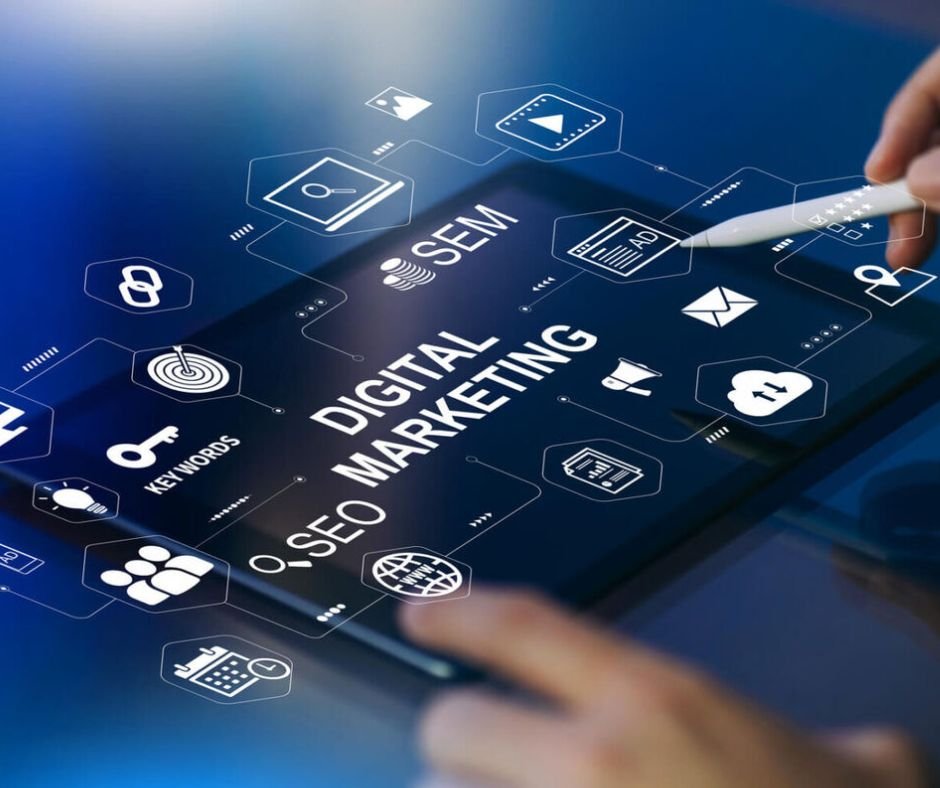
Embrace the Power of Digital Marketing
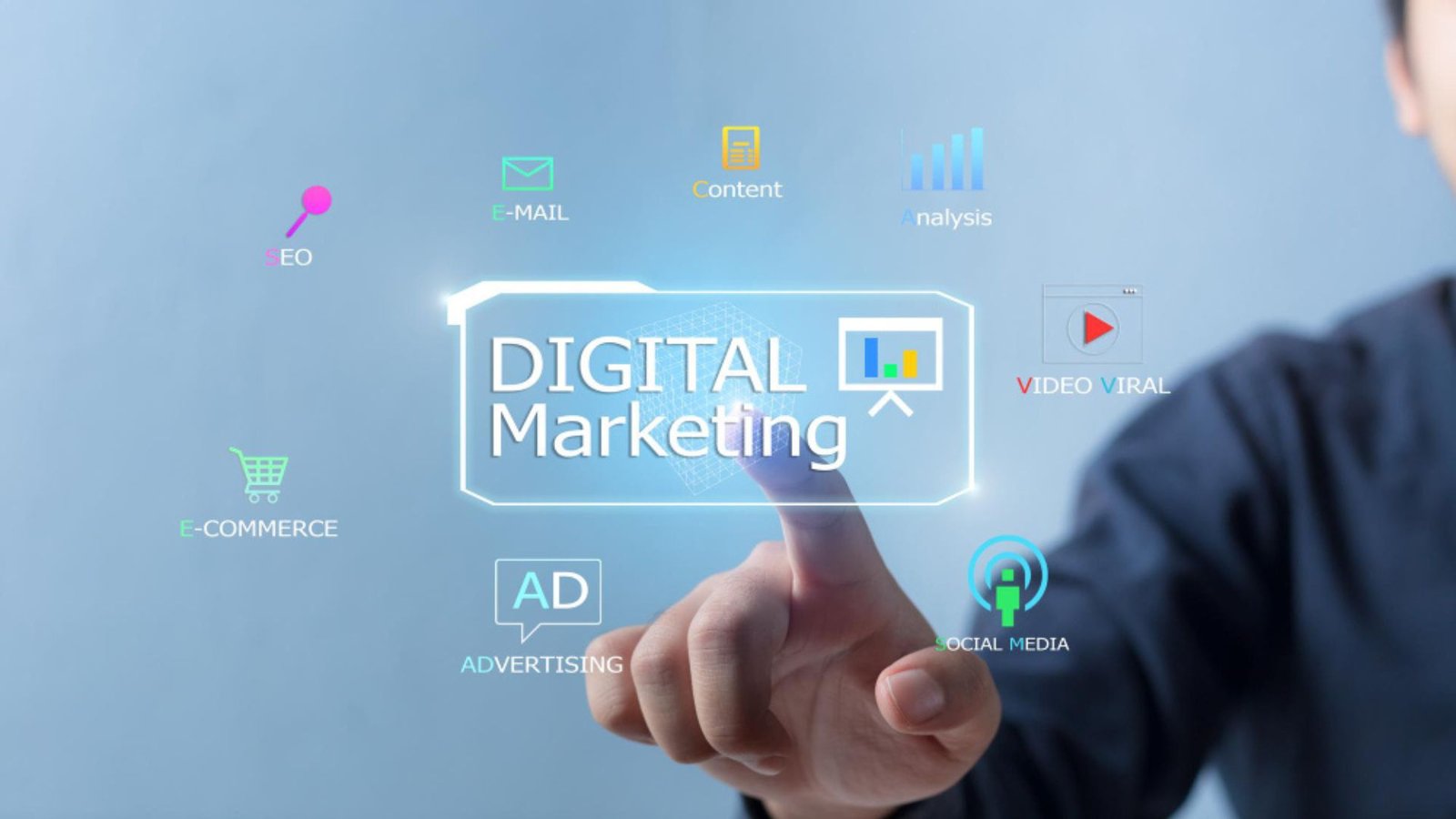
Digital marketing provides measurable, highly targeted opportunities to reach modern audiences. It allows for real-time optimization and data-driven decision-making.
Key Digital Channels:
-
Social media platforms for engagement and brand storytelling
-
Email marketing for personalized communication
-
Search engine marketing (SEO and PPC) to drive traffic
-
Content marketing through blogs, videos, and webinars
Additionally, digital channels allow businesses to track performance, test strategies, and adjust campaigns quickly for maximum impact.
Align Messaging Across Channels
Consistency is essential in integrated marketing. When traditional and digital strategies share the same core messaging, audiences receive a unified brand experience that strengthens recognition and trust.
Alignment Strategies:
-
Use consistent branding, logos, and colors across all channels
-
Maintain a uniform tone and voice in both offline and online content
-
Synchronize campaigns so promotions and messaging support each other
-
Repurpose content to maximize reach without losing brand coherence
As a result, consistent messaging ensures that customers encounter a seamless experience, reinforcing brand credibility.
Create a Cohesive Campaign Strategy
Integrated marketing requires planning campaigns that leverage the strengths of each channel to achieve common objectives. By coordinating efforts, businesses can amplify impact and drive higher ROI.
Steps to Build a Cohesive Strategy:
-
Set unified goals and KPIs for all channels
-
Identify target audiences and their preferred touchpoints
-
Map out campaign timelines to ensure messaging is synchronized
-
Allocate budgets strategically across traditional and digital channels
Through careful planning, integrated campaigns deliver more significant results than isolated efforts.
Measure and Optimize Performance
Tracking and optimizing results is crucial in integrated marketing. Metrics should encompass both traditional and digital channels to assess overall effectiveness.
Measurement Tips:
-
Use unique tracking codes for print or offline campaigns
-
Monitor digital metrics like click-through rates, conversions, and engagement
-
Collect customer feedback to gauge brand perception and recall
-
Adjust campaign elements based on data insights to maximize performance
Consequently, continuous measurement allows businesses to refine strategies and achieve consistent results across all channels.
Leverage Synergies Between Channels
The true power of integrated marketing lies in leveraging the strengths of each channel to support the other. Traditional marketing can drive online traffic, while digital channels can reinforce offline campaigns.
Examples of Synergy:
-
Using QR codes in print ads to guide users to websites or social media
-
Promoting offline events through digital channels for broader reach
-
Encouraging social media engagement during TV or radio campaigns
-
Cross-promoting content to extend campaign lifespan and visibility
By combining these approaches, brands create a multiplier effect, amplifying the impact of every marketing dollar spent.
Conclusion
Integrated marketing bridges the gap between traditional and digital strategies, ensuring a cohesive and powerful approach. By aligning messaging, creating coordinated campaigns, and leveraging the strengths of both channels, businesses can maximize reach, engagement, and ROI. Furthermore, measuring performance and continuously optimizing campaigns ensures sustained success. Ultimately, integrated marketing allows brands to deliver a seamless experience that resonates with audiences, strengthens recognition, and drives long-term growth.